
Hello, Nature Explorers!
Running out of June
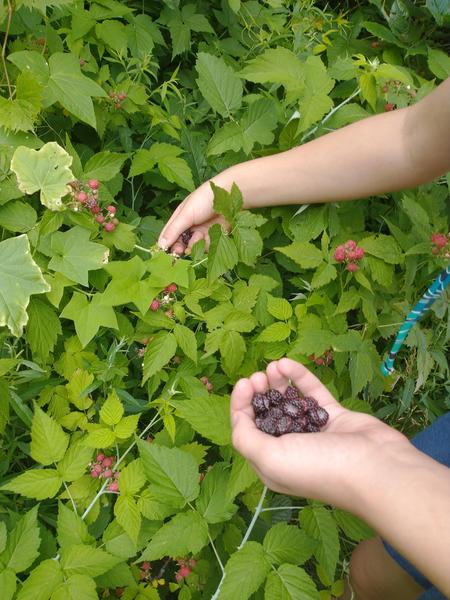
days to get this June newsletter out - is this summer flying by for anyone else?? I couldn't believe the blackcap raspberries were already ripening this week! Mulberries too (YUM!!), but gooseberries are still green. See the last section for foraging tips!
Early Intervention Survey
Has your child received OT through early intervention services? If so, take 15 minutes to share your thoughts!
Contact Jennifer.loughlin@quinnipiac.edu if you have questions!
Group Openings!
Summer season 2 starts July 17th and two of our groups are now full, but the teen group on Mondays and garden group on Thursdays both have openings remaining! Reach out if you'd like to get your child signed up.
We have started accepting deposits for fall registration as well. Fall groups will be after school 4:30-6:30 once a week from September 11 to November 19.
Foraging fun
So many berries, so little time that they are ripe each year! Here are a few tips for enjoying them.
- SAFETY: Only eat what you know! The #1 rule in foraging is safety. There are a LOT of poisonous berries out there that look similar to the edible ones. Kids should not eat anything they find without checking with an adult first. Adults should be 100% sure of their ID of the plant before declaring it safe to eat. Look at the leaves and stem and overall size/shape of the plant to ID it, not just
the berry. I'll include pictures of a few common ones below!
- SKILLS: Provide support for struggles! If your child struggles with visual perception, fine motor skills, motor planning, or sensory processing, they might need more support to enjoy foraging! Finding the berries, harvesting them, handling them, tasting them, sharing them can be SO tricky. It can
help to give your child their own area to search so they don't feel like they're competing. Show them how to look under leaves and lift the branches to find more!
- SHARING: Stay on the trail! You'll often see berries further back into the forest - I talk to kids about how those berries are for the birds, and how the birds eating them (and then pooping out the
seeds) helps the plants spread. So we want to share the bounty with them! We also want to be careful not to destroy other plants and habitats in our effort to find berries.
- SUCCESS: Notice the abundance! Why bother foraging when it can be so hard and dangerous and you can just buy berries at the store? Oh so many reasons!! Aside from working on the skills mentioned above, we reestablish a vital connection with the earth when we eat straight from it. We get some of this connection from gardening too, but I will share that for me it feels different. I didn't plant and nurture these sweet berries - mother nature did! Nourishment is there to find all around, if you look carefully. For humans with a complicated relationship with food (I'm thinking not just picky eating and eating disorders, but also things like food insecurity), this can be SUCH a comforting and encouraging fact.
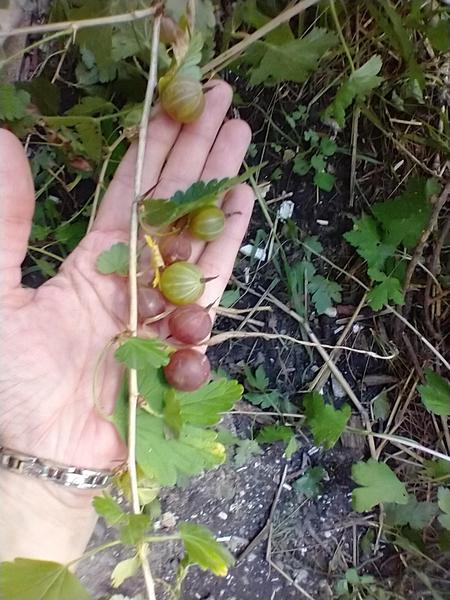
Gooseberries
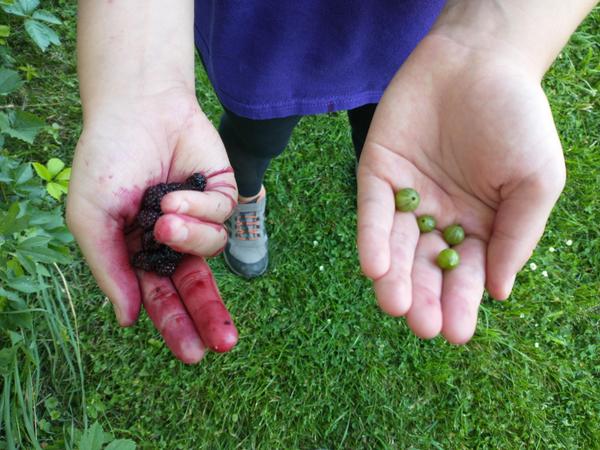
Blackcaps (left) Gooseberries (right)
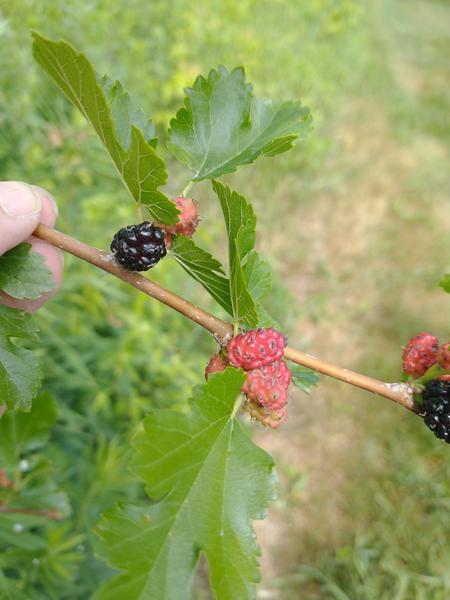
Mulberrries