Hello nature explorers!
Welcome, Summer!!
My favorite thing about summer is the WATER.
Swimming, wading, splashing, exploring, cooling off, admiring...I love how water can be a sensory tool for every domain 


 AND it
provides deep pressure input to the skin, which is one of the most CALMING types of sensations for most people!
AND it
provides deep pressure input to the skin, which is one of the most CALMING types of sensations for most people!
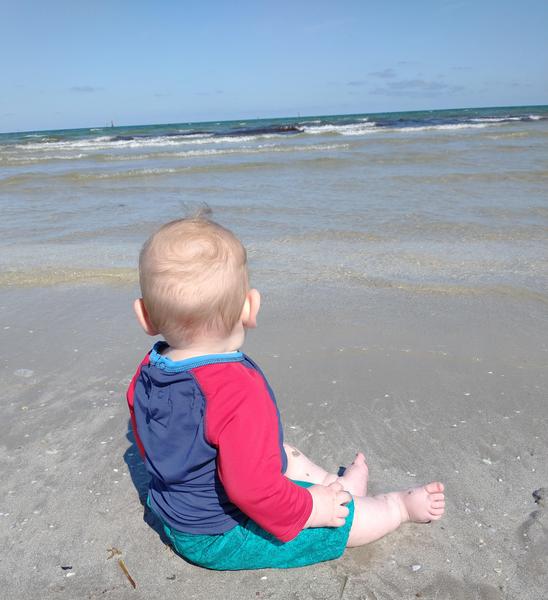
Until I Saw The Sea
By Lilian Moore
Until I saw the sea
I did not know
that wind
could wrinkle water so.
I never knew
that sun
could splinter
a whole sea of blue.
Nor
did I know before
a sea breathes in and out
upon a shore.
But what should we wear?
Excerpt from our welcome
packet!
Summer:
- Comfortable walking/hiking shoes
- Swim suit under thin, light-colored clothes. Pack a change of clothes in the backpack if your child does not want to hike back wet.
- Long pants to protect legs from nettle
- Hat to protect from sun
- Pack water shoes and small towel
- Apply sunscreen and bug spray before group!
Storytime Saturdays
Summer means outdoor storytime again! Approximately every other Saturday this summer, you'll find us at a local park from 10-11 am sharing stories and activities based around a nature theme.

Tag, you're it!
We've teamed up with Rochester Tag again this year, so bring your older kids/teens to the park as well and join in the fun!
What's missing from most sensory diet recommendations?
Summer can be an easier time to get the sensory input we need, but have you ever felt like the sensory activities your OT suggests don't make much of a difference, or leave your child more dysregulated than when they started? What's going on?
Marti Smith, OTR in her book The Connected Therapist emphasizes the need to pair sensory input with RELATIONSHIP. What does this look like? Here are some ways we give a connection boost to sensory activities during groups!
- Stay present! Instead of sending the kids off on their own, to dig in the sand or build a fort, we stay WITH them, and our simple presence has a regulating effect. The concept of body doubling for ADHD is an example of this!
- Get curious! If kids are not too sensitive to noise, we comment on what they're doing and sometimes ask them to tell us or teach us about it. Giving a child the chance to be the expert on something builds confidence and connection.
- Emphasize awareness! We model awareness through our words and actions, identifying what things feel like (sound like, look like, etc.) for us and what we notice around us, which encourages the kids to develop this self-awareness and environmental awareness as well.
- Identify emotions! Sometimes our physical sensations can reveal an emotional one too. Identifying when we feel uncomfortable or joyful or even just hangry is an important step to building self-regulation!
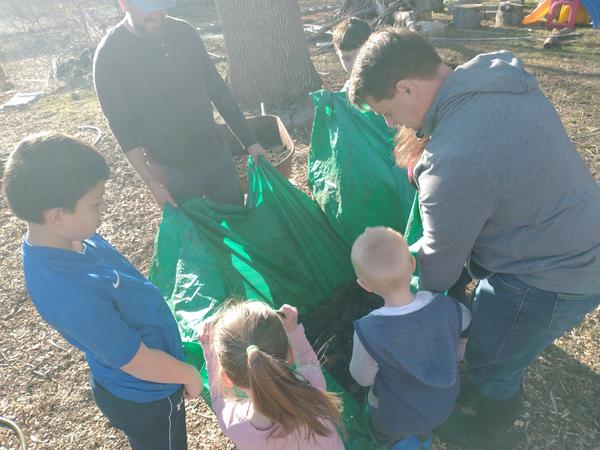
- JOIN them! This one comes naturally for some activities and requires more intention for others. If they're mixing up soil to get some good heavy work, we're doing it right alongside them - see picture. If they're jumping with joy, we bounce along with them to share in the delight!
Give these ideas a chance at home too, and let me know if you see a difference! Our goal at Nurture in Nature is to bring more PEACE to your family, and we love getting feedback on what's helping and what's not.